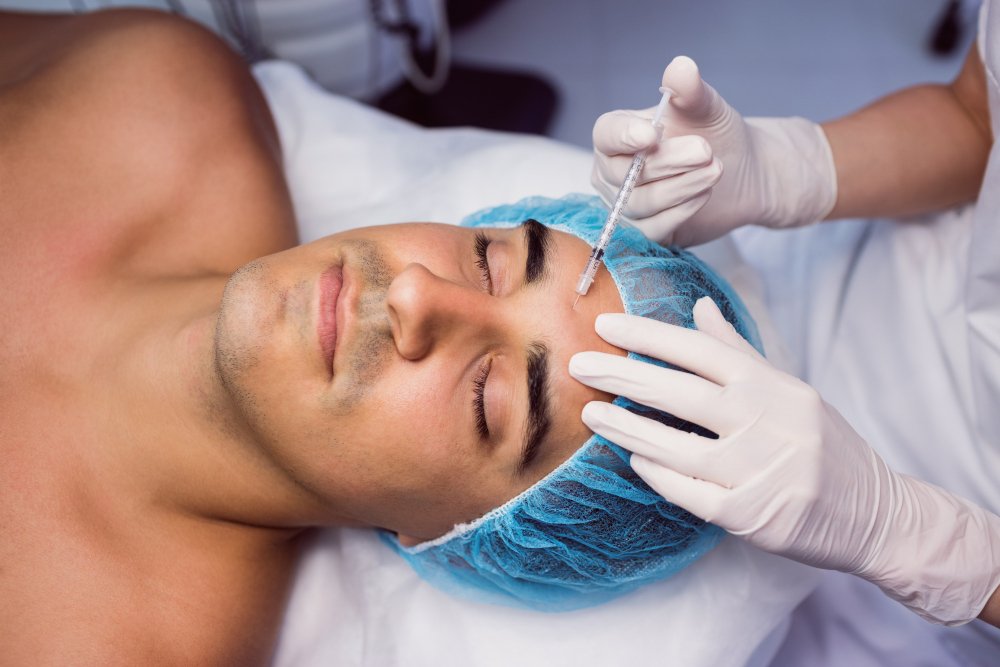
For a long time, aesthetic medicine was discussed as though it were mainly a women’s space. Men age, too. They lost hair and developed pigmentation, acne scars, skin laxity, and changes in facial structure. They simply did not talk about it as openly.
That is changing. In my consultations, I now see more men asking thoughtful questions about their skin, their hair, and the way they are ageing. I think the shift says something larger than aesthetics: men are becoming more comfortable with the idea of looking after themselves.
The concerns themselves are not new. Thinning hair can affect confi dence. Acne scars can stay long after adolescence. Pigmentation becomes more visible after years of sun exposure. The jawline loses defi nition, the quality of the skin changes, and the face begins to look tired even when the man does not feel tired. Many used to accept all this, or wait until a concern became signifi cant before seeking advice. Today they ask earlier, and I think that is a positive development.
There is a mistake we should avoid, though. As more men come to aesthetic clinics, we should not take treatment approaches designed around women and apply them to men. Male facial anatomy has its own characteristics.
Proportions can differ, patterns of ageing can differ, hair loss follows its own patterns, and skin and grooming habits are not always the same. Most importantly, the aim itself can be different. A man seeking treatment may not want to look younger at all. He may want to look less tired, keep the hair he has, improve acne scars, deal with pigmentation, or recover some of the defi nition he has gradually lost. The treatment plan should begin there.
“Natural” also means something different to each person. One thing I hear often from male patients is, “I do not want anyone to know I have had something done.” That tells us a good deal. For many men, success is not a visible transformation. It is looking rested without looking treated, sharper without looking altered, with their own features maintained rather than replaced. If the fi rst thing people notice is the procedure, we have probably missed the objective.
Hair loss is often what starts the conversation. For many men, it is their fi rst contact with dermatology or aesthetic medicine. They notice the hairline moving or the density falling, and before long they are searching for solutions.
Even here, the conversation should not jump straight to “Which treatment should we do?” Hair loss has different causes and different stages. Some patients may do well with medical management, some may need regenerative approaches, a few may eventually be candidates for transplantation, and others need a different strategy altogether. I want to understand why the hair is changing before deciding how to respond.
Prevention is now part of the picture as well. Younger men are not always waiting for a major concern. They ask about sun protection, acne control, early thinning and healthy ageing. That is encouraging, but prevention should not become an excuse for unnecessary intervention. Starting earlier ought to mean understanding earlier, not necessarily treating more. Good skincare, sun protection, sensible hair care and a timely medical assessment can be worth far more than rushing into procedures.
Social media has helped, and it has complicated things. Men now have far greater access to information, which has reduced some of the stigma. It has also brought new pressures: sharper jawlines, perfect hairlines, fl awless skin, extreme body defi nition. Men are increasingly held to the same unrealistic digital standards that women have faced for years. We should be careful not to replace one silence with another problem. Aesthetic medicine should not tell men what they are supposed to look like. It should help them make informed decisions about concerns that matter to them.
Looking after your appearance is not vanity. Taking care of skin is not inherently feminine, addressing hair loss is not superfi cial, and wanting to look less tired is not necessarily vain. Appearance is one part of how people experience themselves. It can matter without becoming an obsession, and medicine can support that without turning every normal sign of ageing into something that needs correcting.
Whether the patient is a man or a woman, my approach changes very little. Understand the concern, respect the anatomy, choose treatment carefully, avoid unnecessary intervention, and preserve individuality. The result should still look like the person who walked into the consultation.
The rise of male aesthetics should not mean encouraging men to have more procedures.
It should give them something they perhaps did not always have: the freedom to ask about their appearance without embarrassment, and to receive thoughtful, medically grounded answers.